Social media is a revolution. Everyone, from hiring managers at a new job you’ve always dreamed of gaining to the potential date you met at the bar last night, uses social media to learn more about you. Roughly 53% of users report checking up on an old ex or learning more about a potential hookup on social media.
Your online presence says a lot more about you than you might imagine. Doesn’t it make sense to know what it is that landlords, employers, clients, and dates are looking at?
A social media background check reveals a lot about who you are, what your communication style is, what interests you the most, and even if you have a good relationship with your family. The methods below help you see your online social media reputation so you can clean up risks, update info, and build a presence that always works in your favor.
Start Your Search with Your Current Presence
Before deleting anything or updating outdated information, it’s best to have a clear picture of what is already out there in the online world. That is the same data recruiters or HR teams will look at.
The free and easy way to go about this is to explore each social media platform, even if you don’t remember signing up for an account. The most popular platforms include:
- X (Twitter)
- TikTok
- YouTube
- Snapchat
- Threads
- Discord
Get on those platforms and search for your full name first. You may also want to try variations if you have a shortened version, a middle initial, or use your maiden name. If nothing comes up, add in cities you’ve lived in or job titles you’ve had for even deeper results.
Your goal here is to look at what you’ve posted. Have you put up albums of relationships that are long over? Do you have tons of photos of family members you no longer talk to? What about political posts or memes that may be considered rude or inappropriate?
Look at your postings, the user description (about me) section, and general activity, like how often you post, to get a picture of what other people see when they click on your name.
Evaluate Your Social Media Background Check
Your next step is to look at each social media account as if you were someone looking to hire you for a professional job. That video of someone making fun of someone slipping on ice might seem completely fine to you, but would an employer or a potential partner also think it’s okay?
Most hiring managers will review your accounts for professionalism, communication skills, cultural fit, evidence of maturity, and any red flags that may indicate harassment or illegal activity in the workplace.
In 2018, 57% of hiring professionals opted out from candidates after viewing their content on social media, so be sure you’ve cleaned things up by deleting posts, removing likes, and ensuring you have a professional online appearance.
Review the Social Media Ecosystem You’ve Made

Finally, you want to go deeper and examine the “ecosystem” you’ve built on social media platforms. Part of running a full check isn’t just your profile, but the people you follow, the communities you belong to, and the interests or beliefs you may exhibit.
Think about it this way. If someone working for a pork products supplier wants to hire you as the head marketing agent, but you’re a member of extreme animal rights groups on Facebook, they’ll probably turn you down.
Often, the people you follow and the groups you engage with matter more than what you post. Algorithms on social media amplify these signals, shaping a behavioral pattern that is pretty easy for others to determine.
Another example would be checking the background of a potential person you wish to date. What if they kept posting pictures of themselves hanging out with an ex-lover and their family? Wouldn’t that give you pause to go to dinner with them that night?
Use Tools to Automate Your Social Media Review
A monthly self-audit of your social media background check is a good idea. You can set a reminder in your digital calendar or use Google Alerts based on your name to ensure you’re not cropping up on other websites without your permission.
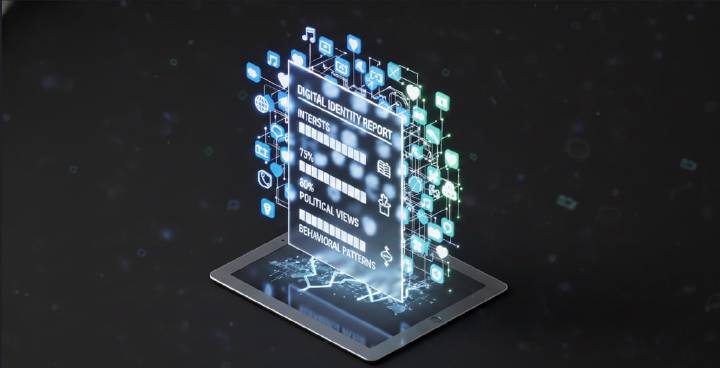
An easier way to check your social media background is to use an automated tool like Socialprofiler. This tool detects 350,000+ unique interests based on social media activity on Facebook, TikTok, Instagram, and X (Twitter). When finished, Socialprofiler will generate a report in under a minute that outlines the personal interests of any user, including your own accounts.
All it takes is signing up for a plan or making a one-time purchase for a report. The AI-backed insights offer a deep look into your online presence, including political views, financial status, and previous professions. It makes the entire background check much faster and simpler, so you’ll know what to “clean” before hitting the dating scene, applying for a job, or running for a public office.
A Quick Free Self-Audit for Social Media in 2026
If you’re still a little confused about how to conduct a social media background check on yourself for 2026, follow these basic steps:
- Audit each platform to see what accounts you have
- Identify and remove any info that may not seem professional
- Leave groups, remove photos, or unlike questionable content
- Set up alerts or ongoing monthly audits
- Run Socialprofiler reports for deeper insights
The right online presence can open way more doors than you might imagine, but it can also close quite a few. Over 5 billion people, or 68.5% of the global population, use social media. Knowing your social media background gives you more control over your personal narrative for any future need.
FAQs
What shows up in a social media background report from Socialprofiler?
Insights into what you do, what content you like, political affiliations, previous professions, financial statuses, and more.
How often should I audit my social profiles?
It depends on your public image. If you are frequently in the public eye, every month is a good idea. Otherwise, every 3-6 months will help you avoid red flags or embarrassing info from getting out.
Who digs into social media profiles in 2026?
Everyone, from employers to concerned family members to potential dates. People rely on social media information as a digital snapshot of who you are, what you enjoy, and how you shape your opinions.