Toxic relationships rarely start toxic. Most of the time, they begin with charm, attention and a feeling that everything just clicks. Over time though, small uncomfortable moments turn into patterns, and those patterns can seriously affect your mental health, confidence and even your safety.
Learning how to recognize toxic relationships early can save you years of stress and emotional damage (not to mention therapy fees). In this guide, we will break down five major red flags to watch for, starting with simple, free ways you can protect yourself without spending any money. This is written for real people, not therapists, so expect clear explanations and practical examples.
The Many Free Ways to Spot Toxic Behavior
There are several free and effective methods you can use right now to identify toxic relationship red flags.
1. Notice to Patterns, Not Apologies
Everyone has bad days, what really matters is repetition. If someone is repeatedly hurting you, dismissing your feelings and crossing boundaries, then apologizing without changes to behavior, that is a serious warning sign.
Tracking patterns for a few weeks is a helpful exercise. Ask yourself: does this behavior keep happening consistently even after we talked about it? If so, the apologies may be a control tactic instead of accountability.
2. Notice How You Feel After Interactions
Your body often notices toxicity before your conscious mind does. After spending time with this person, do you feel anxious, drained or smaller somehow? Or do you feel calm, respected and safe?
Consistent emotional exhaustion is one of the most overlooked signs of a toxic relationship. You do not need proof, screenshots or drama to trust how you feel.
3. Check How They Interact With Others
Paying attention to how someone treats waiters, coworkers, family members or even strangers online reveals a lot. If their empathy is only for their own benefit, that behavior often turns towards you eventually.
Now let’s break down the five biggest red flags in detail.
Red Flag 1: Constant Control Disguised as Care
Control often hides behind phrases like “I’m just worried about you” or “this for your own good”. Over time, this can turn into monitoring your choices, limiting who you talk to or questioning your independence.
Examples include:
Getting upset when you do things without them
Wanting access to your messages or social accounts
Making you feel guilty for having personal boundaries
This kind of behavior slowly erodes autonomy, which is a core feature of toxic relationships.

Control vs Care in Relationships
Red Flag 2: Gaslighting and Twisting Reality
Gaslighting is when someone makes you question your own memory, feelings or perception. It usually starts subtle, something like “you are being too sensitive” or “that never happened the way you say it did”, and eventually escalates to more direct and aggressive behavior that denies facts, twists conversations, and makes you doubt your own judgment and sense of reality.
Over time, gaslighting can damage self trust and increase dependency. According to psychology experts referenced by WIRED, persistent gaslighting can lead to anxiety and confusion even outside the relationship.
If you find yourself constantly doubting your own experiences, that is not a communication issue. It is a toxic red flag.
Red Flag 3: Isolation From Friends and Family
A major warning sign is when someone slowly pulls you away from your support system. This may happen by criticizing your friends, creating conflict before family events or making you feel guilty for spending time with others.
Isolation increases emotional dependence and makes it harder to leave unhealthy dynamics. Healthy relationships expand your world instead of shrinking it.
Experts at TechCrunch have discussed how social isolation tactics appear not only in personal relationships but also in online manipulation patterns.

Social Isolation as a Toxic Relationship Red Flag
Red Flag 4: Extreme Emotional Highs and Lows
Toxic relationships often feel intense. Amazing one day, unbearable the next. This emotional rollercoaster can create a strong attachment that feels like passion, but is actually instability.
These cycles release stress hormones followed by relief, which can create a form of emotional addiction. Calm consistency may feel boring at first if you are used to chaos, but it is far healthier.
If you constantly feel like you are walking on eggshells, that is not love, it’s emotional survival mode.
Red Flag 5: Lack of Accountability and Blame Shifting
In healthy relationships, both people can admit mistakes. In toxic ones, one person is always the victim, and you are always at fault.
Common signs include:
Never apologizing sincerely
Turning every issue back on you
Minimizing their actions while exaggerating yours
This creates long term emotional imbalance and damages the self-worth.
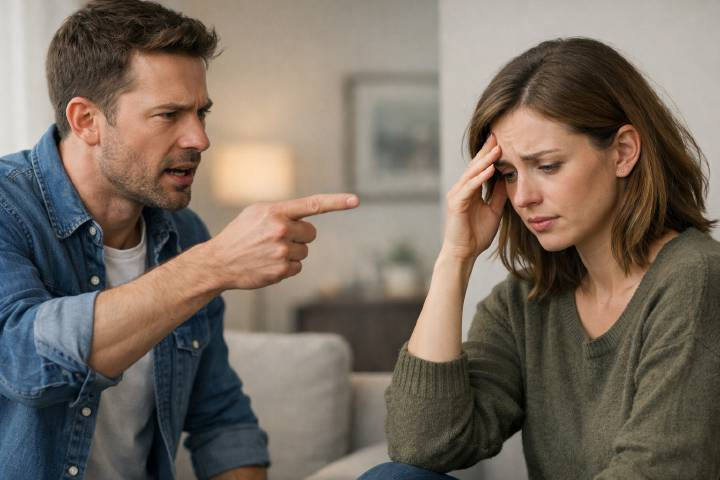
Blame Shifting and Emotional Manipulation
Using Socialprofiler as an Extra Layer of Awareness
Socialprofiler can be used to spot red flags among anyone’s friends on social media. You can run a Socialprofiler report on anyone, including yourself, to spot their own red flags and red flags among their friends on social media. This can help identify shady people who may be close to you or your family.
It is about awareness and safety, especially when online interactions blend into real life relationships.
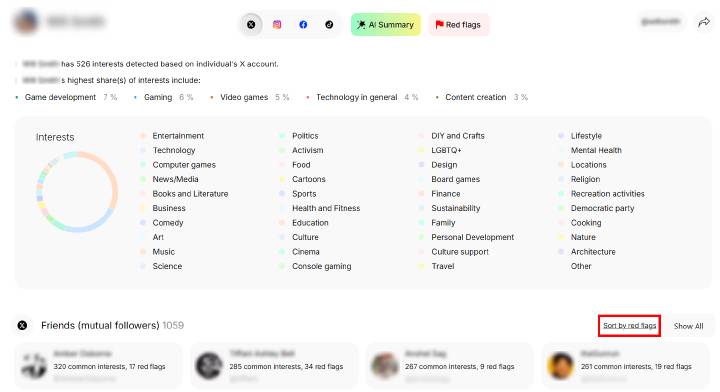
Using Socialprofiler Report to Spot Red Flags Among Friends
Final Thoughts on Noticing Toxic Relationships
The point of recognizing toxic relationships is not to label people as bad, it is to protect your emotional and mental health, and respect your own boundaries. Red flags don’t necessarily mean that someone is evil, but they do mean something may be wrong.
Trust patterns instead of promises, trust your body and emotions, use the free methods mentioned above and, if they help you feel safer and more informed, add tools like Socialprofiler into the mix.
Healthy relationships feel steady, respectful and supportive, even during conflict. If that feels unfamiliar to you at the moment, this guide can be your starting point.
For further information on emotional health and relationships, you can also check resources from Psychology Today, which offers expert reviewed insights on relationship dynamics.
Your well-being matters. Always.
If you want to automatically see red flags within your friends or friends of your loved ones - use Socialprofiler.